
UNY Applied Culinary Arts Students Initiate MIKROT, an Innovative High-Nutrition Purslane Noodle
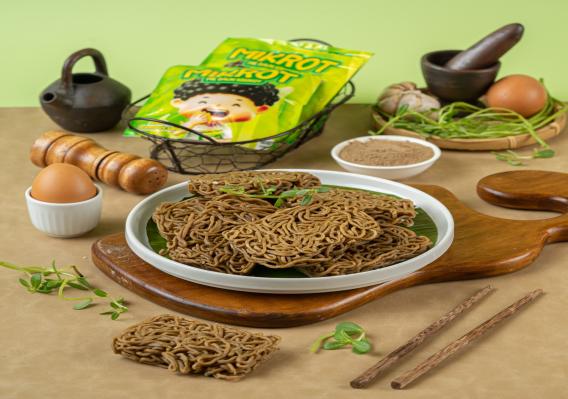
Students from the Applied Bachelor Program in Culinary Arts (D4 Tata Boga) at Universitas Negeri Yogyakarta have once again demonstrated their creativity and innovation by developing a culinary product called MIKROT (Mi Krokot), an innovative noodle made from purslane leaves (krokot) with high nutritional value. This product was developed as an effort to create healthier food alternatives while optimizing the utilization of local food ingredients that are often overlooked.
MIKROT emerged from concerns about the low consumption of vegetables and fiber among the public, particularly among younger generations who tend to prefer instant and practical foods. Through this innovation, students sought to present a healthier noodle option without compromising taste and culinary appeal. Purslane, often considered a wild plant, was selected because of its rich nutritional content, including fiber, vitamins, minerals, and antioxidants beneficial to health.
The MIKROT innovation was developed by a team of students consisting of Nadia Putri Anindya, Nabila Fadhilah, Dwi Putri Maharani, Ayu Dwi Lestari, and Muhammad Fikri Ramadhan, under the guidance of supervising lecturers from the Culinary Arts Study Program. Through experimentation and product development, the team succeeded in producing noodles with a distinctive green color, unique flavor, and improved nutritional quality compared to conventional noodles.
In the production process, purslane leaves are processed into a puree and then mixed into the noodle dough. This method aims to preserve the nutritional content of the leaves while creating an appealing product that can be accepted by a broader market. In addition to emphasizing health benefits, MIKROT is also designed to have market potential as an innovative local culinary product.
The student team explained that MIKROT is expected to become an educational medium for the public regarding the importance of consuming nutritious food and making use of local biodiversity. Furthermore, this product is anticipated to inspire the development of similar food innovations based on local ingredients.
This innovation also reflects the role of higher education institutions in fostering students who are adaptive, creative, and solution-oriented in responding to food and nutrition challenges. Through products such as MIKROT, students are encouraged not only to master culinary skills but also to develop entrepreneurial thinking and social awareness regarding community nutritional issues.
The MIKROT innovation aligns with the Sustainable Development Goals (SDGs), particularly SDG 2 (Zero Hunger), SDG 3 (Good Health and Well-being), SDG 4 (Quality Education), SDG 9 (Industry, Innovation and Infrastructure), and SDG 12 (Responsible Consumption and Production).