1. No Poverty
UNY Students Shared a Method to Make Tempe from Rubber Seeds
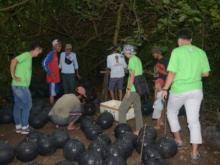
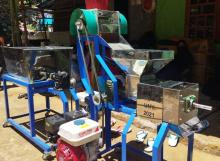
Submitted by laksanawiditama... on Fri, 03/18/2022 - 14:13The rubber tree is one of the crucial plants in Indonesia which is widely found in Sumatra. Indonesia is the largest rubber-producing country globally, contributing 26% of the world's total natural rubber production. In addition to producing latex as the main ingredient for making tires, rubber trees also absorb exhaust gases and have much more optimal oxygen.
Sustainable Crab Cultivation Using Crab Ball in Bantul
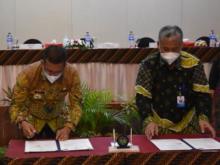
Submitted by laksanawiditama... on Tue, 02/15/2022 - 18:23BRIDGING FUTURE PARTNERSHIP BETWEEN UNY AND MERANTI ISLANDS REGENCY GOVERNMENT
Submitted by laksanawiditama... on Fri, 02/11/2022 - 18:22THE FACULTY OF ENGINEERING OF UNY CONSISTENTLY STRENGTHENS THE STUDENTS' TECHNOPRENEURSHIP CHARACTER
Submitted by laksanawiditama... on Fri, 02/11/2022 - 13:43The UNY Faculty of Engineering continues to forge the technopreneurship mentality of UNY students to support a productive and skilled society. “UNY continues to cultivate the spirit of student independence so that they are keen to turn opportunities into challenges of economic value by integrating them with competencies in the field of technology.
Managing trash with the Smart Trash app
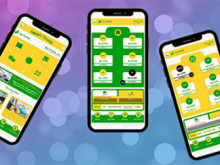
Submitted by laksanawiditama... on Thu, 02/10/2022 - 16:05The Piyungan integrated waste disposal site receives about 300 tons of daily waste every day. Based on the findings of the Environmental Office of the Special Region of Yogyakarta, each household produces around 0.7 to 1 kilogram of waste per day. Cumulatively, every day 100 garbage trucks dump garbage in Piyungan.
Responding to community needs through the Pejuang Muda Program
Submitted by laksanawiditama... on Fri, 02/04/2022 - 08:13THE UKMF MATRIX STUDENT TEAM BOOST MORE PLASTIC WASTE PROCESSING
Submitted by laksanawiditama... on Tue, 01/04/2022 - 11:22Household waste is one of the most crucial problems nowadays. In big cities, waste is a significant problem that is still difficult to solve. Based on the type of waste itself, it is divided into two parts: organic waste, which can be decomposed with the help of micro-organisms, and inorganic waste, which cannot be decomposed naturally.