
UNY’s SEKTI Inter-Village Program in Semanu Goes National, Tim PPK Ormawa MDC FMIPA UNY Wins Best Second Place
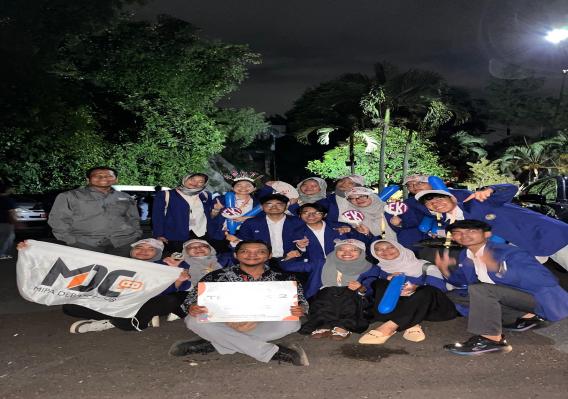
A group of students from Universitas Negeri Yogyakarta (UNY) has once again made a mark on the national stage through its community empowerment initiatives. The Program Penguatan Kapasitas Organisasi Kemahasiswaan (PPK Ormawa) team from the MIPA Debate Club (MDC) of the Faculty of Mathematics and Natural Sciences (FMIPA) at UNY won the Silver Award (Best Second Place) in the category “Teams with Outcomes That Can Be Adopted Nationally” at the Abdidaya Ormawa 2025 national competition, held at Universitas Muhammadiyah Malang.
The award was earned through the implementation of the SEKTI program (Semanu Eksis Wanita Mandiri): Community School Model for Women Toward an Inclusive and Sustainable Village, carried out in Semanu Village, Gunungkidul Regency. This community service initiative focuses on women’s empowerment and strengthening systems for the protection of women and children at the village level.
SEKTI was designed and implemented with a participatory and collaborative approach, involving the village government, community leaders, and local residents from planning through execution. The active involvement of community members was seen as a key factor in the success of the SEKTI program in raising collective awareness of the importance of women’s roles and in preventing and handling violence against women and children.
A major output that drew the judges’ attention at the Abdidaya Ormawa 2025 event was the establishment of the Village Task Force for the Prevention and Handling of Violence Against Women and Children (Satgas P2KPA) in Semanu Village, which strengthened village institutional structures and created a safer, more inclusive, and sustainable environment. This result was considered strategically significant and has the potential to be replicated nationally.
According to Anastasya Asmarani Batudawati, Chair of the MDC PPK Ormawa team, the award reflects the collaborative effort of all stakeholders involved. She stressed that students are not merely program implementers but partners with the community in designing solutions to social problems at the village level.
This achievement also reflects UNY’s commitment to encouraging students to contribute meaningfully through community service, reinforcing their role as agents of change capable of developing social innovations responsive to community needs.