
Developing Joint SOPs and Guidelines for Japan Internship Programs: Collaboration of 12 Higher Education Institutions
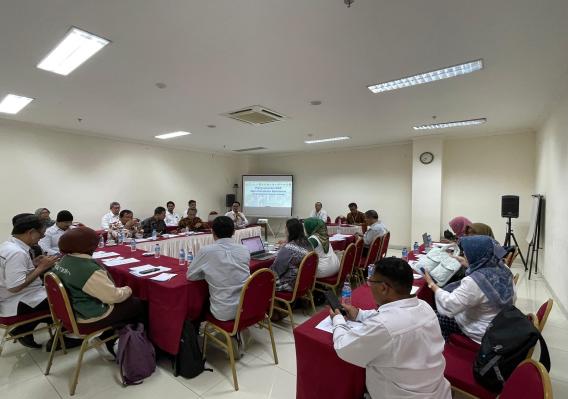
In an effort to strengthen governance and ensure the quality of student internship programs in Japan, a total of 12 higher education institutions and two sending organizations participated in a Workshop on the Development of Joint Standard Operating Procedures (SOPs) and Guidelines for Internship Programs in Japan. The workshop was held on Monday, 1 December 2025, at UNY Hotel, with participants from Japan joining online.
The collaborating universities include Universitas Negeri Yogyakarta, Universitas Jenderal Soedirman Purwokerto, UPN Veteran Yogyakarta, Universitas Tidar Magelang, Universitas Muhammadiyah Yogyakarta, Universitas Veteran Bangun Nusantara, Universitas Sarjanawiyata Tamansiswa, Universitas Islam Batik Surakarta, Universitas Tunas Pembangunan, Universitas Slamet Riyadi, Universitas Dian Nuswantoro, and STIKES Estu Utomo. The sending organizations involved were Media Global Indonesia and Meisou Japan Co., Ltd.
This strategic collaboration aims to produce an integrated Standard Operating Procedure (SOP) and Joint Guidelines that can be adopted by all sending institutions in managing internship programs in Japan. This initiative is essential to maintaining the quality of internship programs, which serve as a bridge toward professional careers in Japan and form part of the implementation of Education for Sustainability and Lifelong Learning. The unified quality standards are expected to become a national reference for internship implementation in Japan, not only preparing students technically but also fostering opportunities for technology transfer, enhancement of global competencies, and a deeper understanding of Japanese work culture.
“Previously, each university applied its own SOPs and guidelines according to internal needs. Going forward, we must collaborate to establish standardized procedures that can be implemented by all universities to ensure quality processes and meet the expectations of our industry partners in Japan,” said UNY Vice Rector for Academic Affairs, Prof. Nur Hidayanto Pancoro Setyo Putro, M.Pd., Ph.D., during the workshop’s opening session. This policy alignment forms part of an international cooperation strategy aimed at enhancing the global competitiveness of Indonesian graduates.
The workshop also featured the Education and Cultural Attaché of the Indonesian Embassy in Tokyo, Prof. Dr. Amzul Rifin, S.P., M.A., who joined virtually via Zoom. In his address, he emphasized five key aspects that must be ensured within the SOPs and Guidelines: psychology-based selection systems aligned with work activities in Japan, alignment of fields of expertise and academic credit conversion mechanisms, assessment rubrics, workforce cluster mapping, and reporting systems. “In my view, this consortium of universities is a positive initiative and can be replicated more widely. Once the guidelines are finalized, please send them to me so I can provide further input,” Prof. Amzul stated in his closing remarks.
A total of 30 participants were involved in drafting the Joint SOPs and Guidelines, including Heads of Institutions, Vice Rectors, Vice Deans, Heads of Management Units, Heads of Study Programs, and lecturers serving as persons in charge (PICs) of internship programs from the 12 universities. “Thank you to all representatives from the 12 universities for committing to active collaboration in developing these joint guidelines. This document will serve as a critical reference for maintaining process quality, as quality processes are key to achieving the objectives of internship programs,” said Kahari, M.Pd., Director of Media Global Indonesia, the organization facilitating the placement of student interns in Japan.
This workshop also strengthens the foundation of Global Partnerships for Sustainable Development, where educational institutions, government bodies, and Japanese industry stakeholders work together to create sustainable international learning opportunities. Through this collaboration, internship programs in Japan are expected to provide not only professional experience for students but also contribute to collective efforts in building a more adaptive, competitive, and globally capable society.